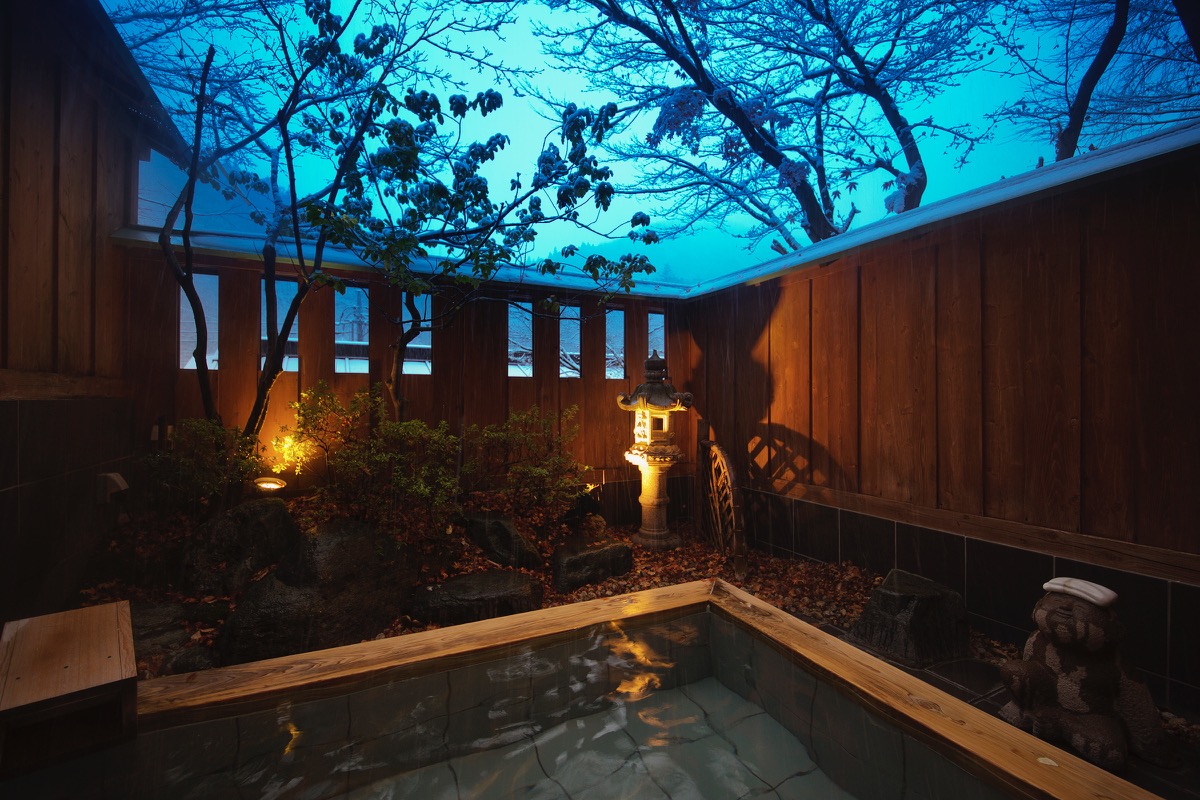
Why Are Tattoos Not Allowed in Japanese Onsen?
If you’re planning a trip to Japan and searching for a tattoo friendly onsen, you may have already noticed something confusing:
Why are tattoos sometimes not allowed in Japanese hot springs?
This question comes up again and again among international travelers.
The answer isn’t simple—but understanding the background will help you enjoy Japan’s onsen culture with much more confidence.
The Cultural Background: Why Tattoos Were Traditionally Avoided
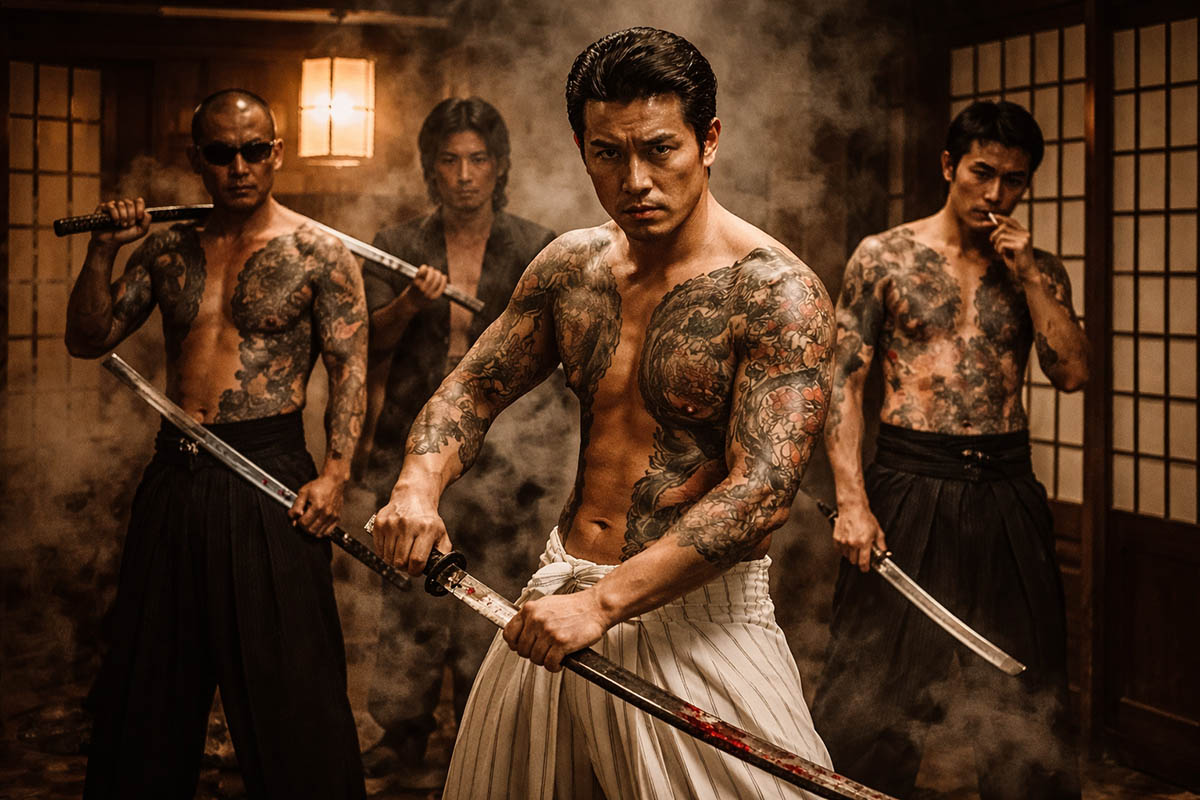
In Japan, tattoos have long been associated with organized crime, particularly the yakuza.
This image was further reinforced by the popularity of yakuza films in the 1960s and 70s, which often portrayed tattoos as a symbol of intimidation and outlaw identity.
For many Japanese people—especially older generations—tattoos can still carry an image of discomfort or unease.
Because onsen are shared, quiet spaces meant for relaxation, this historical perception has influenced policies for decades.
This doesn’t mean tattoos themselves are illegal or inherently negative in modern Japan.
But cultural impressions tend to change slowly.
Public Opinion: Change Is Happening, But Gradually
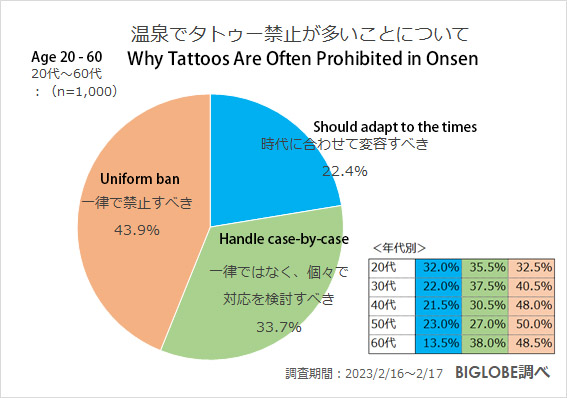
According to a 2023 survey by a major Japanese onsen portal site, about 44% of respondents still believe tattoos should be prohibited in public baths.
Younger generations tend to be more accepting, while older age groups remain more cautious.
In other words, attitudes are shifting—but not all at once.
The Reality at Onsen Facilities
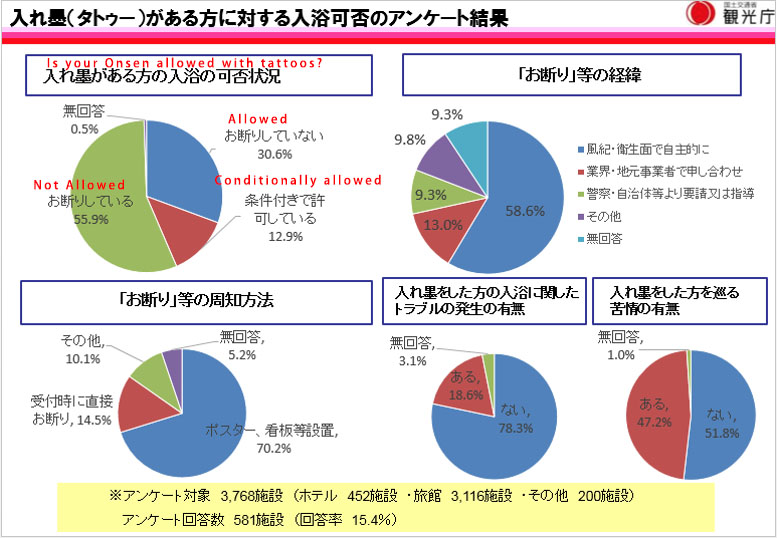
A government-related survey in the past found that more than half of onsen facilities did not allow tattoos at the time.
Even today, policies vary widely:
- Some onsen completely refuse tattoos
- Some allow them if covered
- Others are fully tattoo-friendly
This inconsistency is exactly what makes it difficult for travelers to know what to expect.
The Real Dilemma for Ryokan and Onsen Owners
For many ryokan owners, the issue isn’t simply about rules—it’s about balance.
They must consider:
- Guests who feel uncomfortable seeing tattoos
- International visitors who see tattoos as normal self-expression
- Some owners feel that refusing tattoos is outdated or unfair.
Others worry about how it may affect the experience of their other guests.
This creates a situation where policies are often cautious, even if attitudes are slowly evolving.
So… Can You Use Onsen in Japan If You Have Tattoos?
Yes—but you need to choose carefully.
The good news is that:
- Tattoo-friendly onsen are increasing
- Private baths (kashikiri onsen) and room with private onsen are widely available
- Some ryokan openly welcome tattooed guests
Understanding the background helps—but what really matters is knowing where you can relax without stress.
If you’re looking for a place where you can enjoy onsen comfortably with tattoos, check this guide:

Final Thought
Japan is a country where tradition and change coexist.
While the history behind tattoo restrictions is still present, the reality is evolving—especially in places that welcome international travelers.
With the right information, you can still fully enjoy one of Japan’s most relaxing and unique cultural experiences.
Ready to enjoy onsen without worrying about tattoos?



Comments